
For more than two decades, I have worked to understand how best to support students and families who are acquiring English while simultaneously settling into a new home and community. Over time, that passion evolved into an obsession, not only with how students acquire a second language, but also with how they acquire knowledge, skills, and confidence. Traditional approaches to second language acquisition and to teaching and learning more broadly often struggle to address both effectively. If we focus solely on language acquisition, students can be left in a “sink or swim” situation academically. Yet if we focus only on content and skills, students may take significantly longer to acquire English. In my experience, many schools and districts have developed language supports over time in response to immediate needs and staffing realities. While often well-intentioned, these efforts do not always add up to a cohesive system that supports both language development and academic growth.
For many years, I struggled to reconcile these realities. Then, while visiting a school in New Zealand, I encountered mastery-based learning for the first time. What I saw fundamentally changed how I thought about education. Students followed individualized learning pathways. They understood where they were, where they needed to go, and how to get there. They had internalized the learner dispositions necessary for success and, perhaps most strikingly, were accomplishing far more in a school day than any students I had previously observed.
What I witnessed was something familiar. These students approached learning the same way I approached my own hobbies and interests—with purpose, ownership, and persistence. It felt natural. It felt right. The challenge then became integrating second language acquisition into that structure.
My next role at the state level provided an opportunity to view multilingual learner education from a broader perspective while learning how schools and systems across the country approached this work. I discovered that many of the same challenges and assumptions I had encountered locally existed elsewhere, often to an even greater degree. At the same time, I encountered educators and systems that were doing things differently — and doing them exceptionally well. It was also my first meaningful experience working at the intersection of policy, compliance, and the business sector, adding yet another layer to my understanding of how educational systems function and evolve.
Later, as the founding administrator of a newcomer center, I saw an opportunity to put these ideas into practice: a mastery-based approach driven by language development. The center began as something of a blank slate, and I was given the freedom to pursue many of the innovations I had envisioned since that transformative visit to New Zealand. Most importantly, I was fortunate to work alongside educators who embraced the vision and helped bring it to life. The result was one of the most positive, compassionate, and academically rigorous learning environments I have experienced in my career.
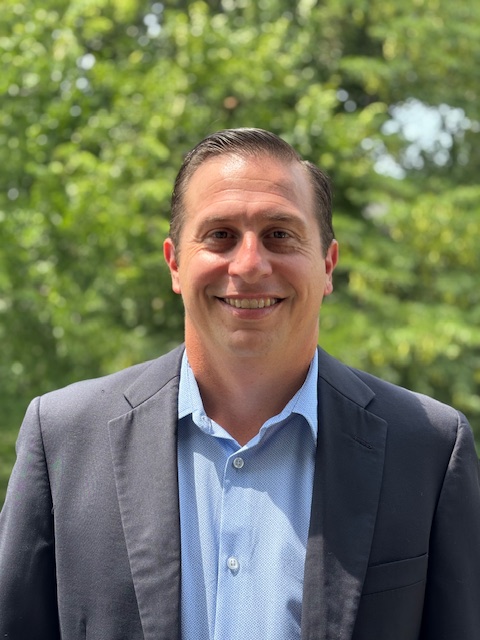
Global Educators is a continuation of that work and a belief that schools and communities have the power to profoundly shape how learners and families experience belonging, opportunity, and success. While much of my work has focused on multilingual learners and newcomers in the United States, I am deeply interested in how education systems around the world respond to migration, language development, and belonging.
I believe the future of our communities depends on how well we welcome those facing extraordinary challenges and how effectively we help every learner discover their strengths, develop their talents, and contribute to the world around them.
 Global Educators